




If you’ve been looking into unvented hot water cylinder installation, you’ve probably come across plenty of technical explanations that don’t really tell you what it means for your day-to-day life. So let’s strip it back and talk about what an unvented system actually is and why so many modern homes are choosing them.
In simple terms, an unvented hot water cylinder is a sealed system that stores pressurised hot water straight from the mains. Unlike older vented systems, it doesn’t rely on a cold water tank in the loft. That one difference changes quite a lot about how your hot water performs.
I get asked about these regularly in places like Great Missenden and Hazlemere, especially by homeowners renovating older properties. They want better showers, more reliable pressure and to finally get rid of that old tank in the roof space.
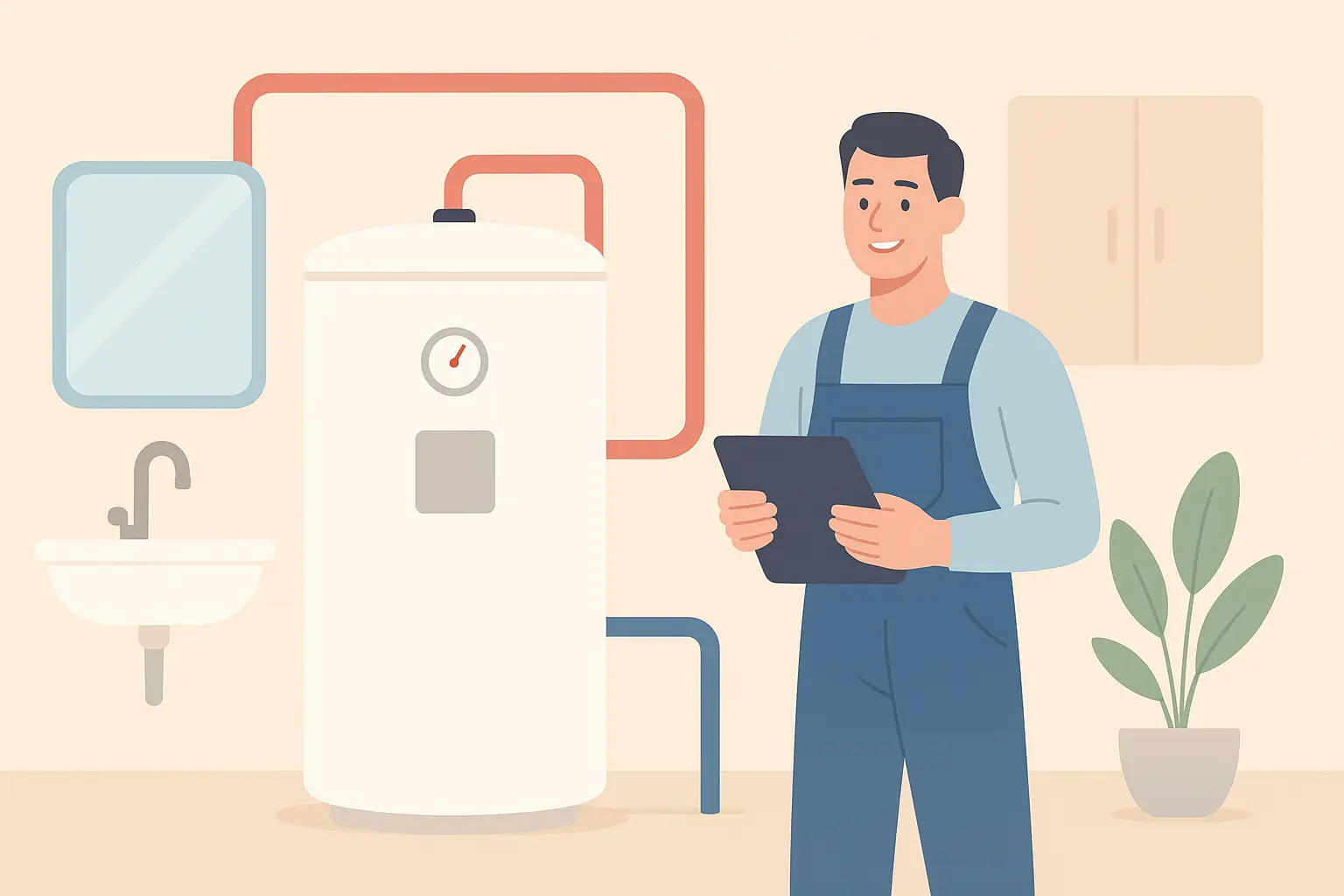
How an Unvented Hot Water Cylinder Works
An unvented cylinder is connected directly to your mains cold water supply. Because it’s a sealed unit, it keeps the hot water under mains pressure. When you turn on a tap or shower, the hot water is pushed out at the same pressure as the incoming cold supply.
Inside the cylinder you’ll usually find either:
- A coil connected to a gas boiler which heats the stored water indirectly
- An immersion heater as a backup or primary heat source
As the water heats up, it expands. In older vented systems that expansion would rise into a little tank in the loft. With an unvented system, the expansion is controlled internally using an expansion vessel and a series of safety valves. That’s why these systems must be installed and serviced by someone with the correct G3 qualification.
From a homeowner’s point of view, the big difference you’ll notice is pressure. If your mains supply is good, your showers will feel stronger and more consistent. You can often run two bathrooms at once without the flow dropping off dramatically, something that’s a common complaint with gravity-fed systems.
Benefits of Choosing an Unvented System
Over the years I’ve fitted plenty of these in family homes, rental properties and new builds around Leighton Buzzard. The reasons tend to be similar each time.
Stronger, more reliable pressure
Because the system uses mains pressure, you get a much better shower experience compared to a gravity-fed cylinder. No more standing there waiting for the water to pick up after someone flushes the loo.
No cold water tank in the loft
Removing the need for a tank in the roof space frees up storage and reduces the risk of leaks from ageing ball valves or frozen pipes in winter. In older properties around Buckinghamshire, I often find loft tanks that are decades old and not particularly clean.
Better use of space
Unvented cylinders are usually installed in an airing cupboard or utility room. Without the loft tank, the whole system feels simpler and tidier.
Ideal for multiple bathrooms
If you’ve added an en suite or are converting the loft, an unvented cylinder can cope far better with simultaneous demand, as long as your incoming mains pressure is up to scratch. That’s something we always test before recommending the upgrade.
It’s not a magic solution for every home though. If the property has poor mains pressure to begin with, installing an unvented cylinder alone won’t solve that. In those cases we look at the wider system before giving advice.
Installation, Maintenance, and Safety Considerations
Because unvented systems store hot water under pressure, they’re covered by specific building regulations. Installation must be carried out by an engineer with a G3 unvented qualification. This isn’t just a box-ticking exercise. The safety controls are there for a reason.
A correctly installed system will include:
- A temperature and pressure relief valve
- An expansion vessel or internal air gap
- Tundish pipework to safely discharge water if there’s a fault
- Thermostatic controls to prevent overheating
Homeowners often ask whether unvented cylinders are safe. The honest answer is yes, when installed and maintained properly. The stories you sometimes hear usually come down to poor installation or neglected servicing.
Servicing is straightforward but important. We check the expansion vessel pressure, test the safety valves and make sure there’s no sign of discharge from the tundish. It’s usually done as part of an annual boiler service if the two systems are linked.
Another question I hear a lot is about lifespan. A good quality unvented cylinder can last 15 to 25 years if looked after, sometimes longer. Water quality plays a part, especially in hard water areas, so limescale control can be worth considering.
Is an Unvented Hot Water Cylinder Right for Your Home?
If you’re upgrading an old vented system, extending your property or simply fed up with weak showers, an unvented cylinder is well worth considering. They suit most modern UK homes, particularly those with decent mains pressure and more than one bathroom.
That said, every property is different. I’ve walked into homes where it’s been the perfect solution and others where a different setup made more sense. The key is assessing the existing system, the pipework and your actual water usage, not just following a trend.
If you’d like straightforward advice based on your own home, Contact Chiltern Boilers today to discuss your unvented hot water cylinder installation. A proper conversation and a quick site visit can save a lot of guesswork and make sure you end up with a system that genuinely works for you.